ByteDance Pledges Stronger AI Controls to Hollywood Following Complaints Over Video Generation
Chinese Tech Giant ByteDance Reinforces Copyright Measures Amid Hollywood Dispute
The leading Chinese technology company behind TikTok has announced plans to enhance copyright enforcement amidst ongoing tensions with major Hollywood studios. The company, ByteDance, is taking steps to tighten control over its AI-driven video generation platform, Seedance 2.0, following allegations of unauthorized use of copyrighted characters and images.
**Rising Tensions with Hollywood Studios and ByteDance’s Response**
In response to claims from rights holders, a ByteDance spokesperson emphasized the company’s commitment to respecting intellectual property rights. The firm is proactively implementing additional safeguards, including improved filtering of user requests, automated detection of copyrighted content, and more efficient processing of takedown notices from rights owners.
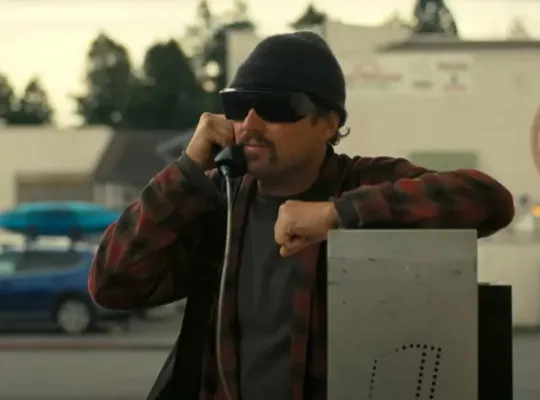
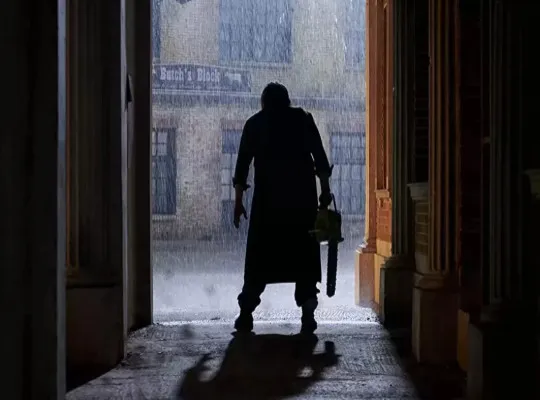
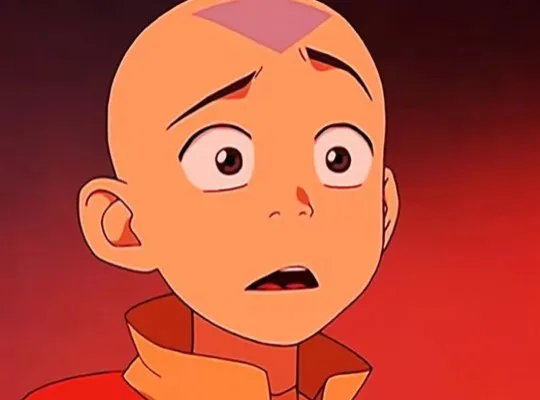
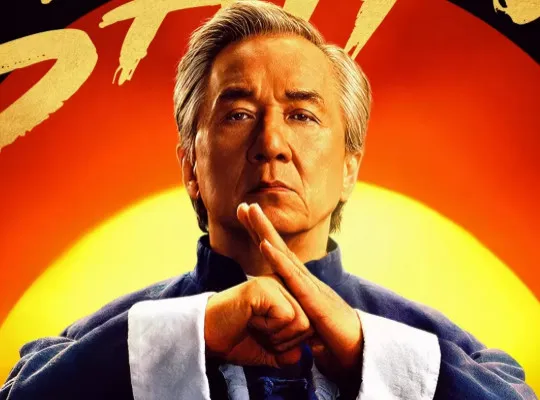
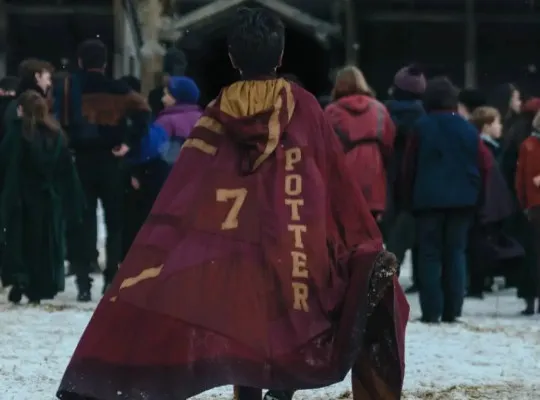
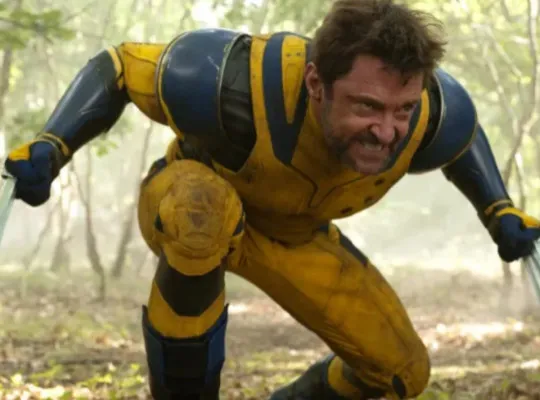
This move comes after Disney issued an official warning to ByteDance, accusing the platform of intellectual property violations. Disney’s letter accused Seedance 2.0 of “virtual plundering” by allegedly utilizing a pirated library of popular characters from franchises like Marvel and Star Wars. Disney criticized the way their iconic characters are used—comparing it to “free clip art”—warning that such practices could set a dangerous industry precedent.
**Broader Industry Involvement and Concerns**
Other major entertainment companies are voicing their concerns. Paramount Pictures has also filed a complaint regarding Seedance 2.0 and another AI tool, Seedream. Additionally, the Motion Picture Association (MPA), representing industry giants such as Warner Bros. Discovery and Netflix, issued a stern statement demanding ByteDance cease any activities infringing on copyrights. The MPA emphasized that AI development should not come at the expense of creators’ rights.
**Incident That Sparked the Controversy**
The conflict intensified after the release of a highly realistic AI-generated video featuring deepfake images of stars Tom Cruise and Brad Pitt. The video rapidly circulated online, illustrating how AI can convincingly mimic the appearances and mannerisms of famous actors without their consent. This example heightened Hollywood’s fears about the proliferation of deepfakes and the erosion of traditional content creation rights.
**Industry Implications and Future Outlook**
Experts warn that such incidents could accelerate the need for clearer regulations governing AI-generated content. Rights holders are increasingly concerned that without proper safeguards, AI tools might undermine control over their intellectual property, jeopardizing the integrity of original works.
In response to mounting criticism, ByteDance has pledged to work more closely with film studios, develop advanced content protection features, and streamline complaint procedures. Nevertheless, industry stakeholders are calling for transparent and technically robust solutions before fully endorsing these initiatives.
Analysts suggest that the ongoing dispute may set a significant legal and regulatory precedent, potentially prompting the development of international standards for AI use in entertainment. If major studios choose to escalate the matter through legal channels, it could influence the future landscape of AI-driven content creation and copyright enforcement worldwide.
Comments (0)
Other news:
More news