Taylor Sheridan Criticises Hollywood Executives and Marvel Studios Films
Taylor Sheridan attributes his success to his steadfast refusal to conform to studio executives' demands. He believes that today’s Hollywood increasingly stifles creators from delivering impactful stories, making it harder for authentic storytelling to flourish.
In a candid discussion on Bill Simmons’ podcast, Sheridan—creator of some of the most acclaimed TV franchises of recent years—shared his perspective on the current entertainment landscape. The filmmaker, writer, and producer emphasized that he deliberately built his career by bucking traditional Hollywood conventions, choosing not to tailor his work to satisfy studio officials, critics, or award committees.
Sheridan asserts that a storyteller’s main obligation should be to the story itself, not to navigating approval processes or marketing strategies.
### Why Sheridan Is Critical of Studio Executives
During the interview, Sheridan expressed skepticism about the real understanding of storytelling among many modern studio decision-makers. He notes that numerous executives come from backgrounds in marketing or legal fields, lacking the necessary experience in narrative development. This often leads to excessive control over scripts, where writers are required to meticulously justify character motivations, backstories, and plot points long before filming begins. Sheridan argues that this process transforms natural storytelling into a series of meetings and revisions, diluting the narrative’s authenticity.
He also advocates for traditional filmmaking principles, emphasizing that action should propel the story forward and dialogue should reveal character and emotion—rather than serving as a constant tool for exposition.
### Working with Paramount on His Terms
Discussing his collaboration with Paramount Pictures, Sheridan made it clear he set firm boundaries from the outset. He has no interest in working within a system where every creative choice must pass through multiple layers of management approval. His main goal is to craft stories for mainstream audiences rather than chase critical acclaim or awards. As a result, he remains indifferent to negative reviews and is willing to make controversial decisions if they serve the story.
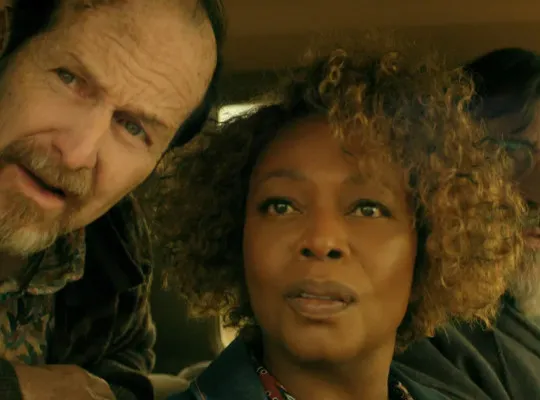
For instance, Sheridan cited his series *Landman* as an example. He anticipated critics would complain about Demi Moore’s limited screen time in the first season. However, he explained this was a deliberate choice, as her character was intended to become more prominent after her husband’s death—highlighting his commitment to storytelling over conventional expectations.
### Critique of Marvel and Contemporary Cinema
Sheridan also voiced his disapproval of the modern superhero genre, particularly Marvel Studios productions. He criticizes these films for being overloaded with exposition, intricate universe-building, and interconnected plots that require audiences to absorb excessive amounts of information. This approach, he argues, detracts from straightforward storytelling and engagement.
Reflecting on Hollywood’s past, Sheridan describes earlier decades as more creatively efficient, despite being tougher. Filmmakers historically focused on making movies without spending months debating tone or holding endless meetings—allowing for more organic and focused storytelling.
Although Sheridan remains skeptical about industry awards, his projects continue to garner significant attention from both viewers and industry insiders. This year, two of his series, *The Madison* and *Landman*, are expected to be submitted for Primetime Emmy Awards consideration, underscoring his ongoing influence on modern television storytelling.
Comments (0)
Other news:
More news